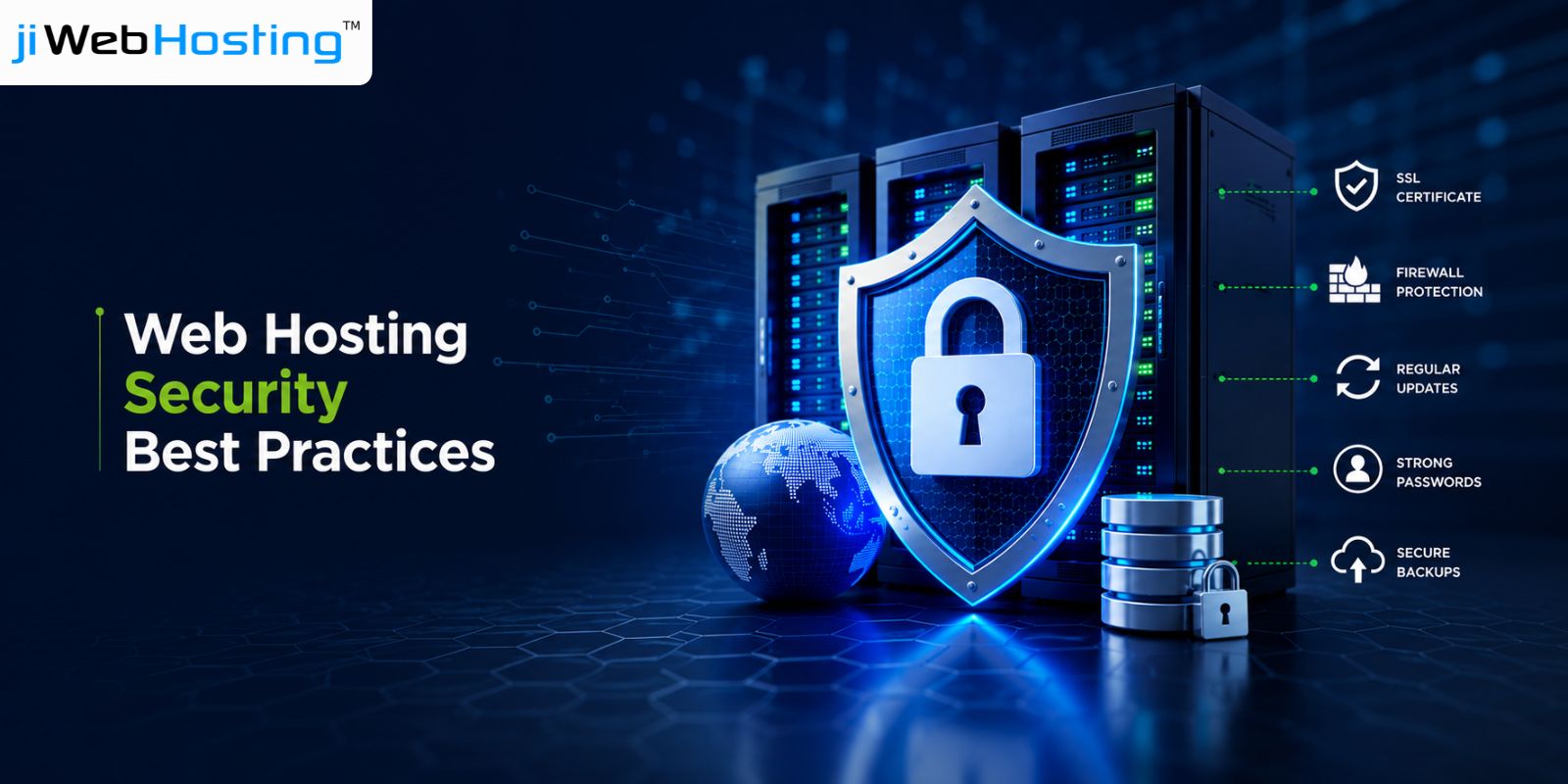
In today’s digital-first world, websites are among the most valuable business assets. Whether you run an eCommerce store, corporate website, SaaS platform, blog, or customer portal, protecting your online presence is no longer optional. Cyberattacks are becoming more sophisticated, and businesses of all sizes are vulnerable to threats such as malware, ransomware, phishing, DDoS attacks, and unauthorized access.
A secure website not only protects sensitive business and customer data but also improves search engine rankings, customer trust, and overall business credibility. One of the most important factors in website security is choosing reliable web hosting services that provide advanced protection measures and proactive monitoring.
Modern businesses require secure hosting environments that ensure uptime, data encryption, regular backups, and strong server protection. Without proper web hosting security, even a small vulnerability can lead to financial losses, reputation damage, and legal complications.
In this blog, we will explore the top web hosting security best practices, different types of hosting, important hosting security features, and how to choose the right hosting provider for your business.
Key Takeaways
Secure web hosting is essential for protecting websites from cyber threats and data breaches.
SSL certificates, firewalls, malware scanning, and backups are crucial security features.
Choosing the right hosting type impacts website performance and protection.
Regular updates and strong password policies reduce security risks significantly.
Managed hosting solutions provide better monitoring and server management.
Reliable hosting improves website uptime, SEO performance, and user trust.
jiWebHosting offers scalable, secure, and business-focused hosting solutions for modern enterprises.
How to Choose the Right Web Hosting Services
Selecting the right web hosting provider is one of the most important decisions for your website. A secure and reliable hosting provider ensures smooth website performance while protecting your data from cyberattacks.
1. Evaluate Security Features
Always choose hosting services that offer:
SSL certificates
DDoS protection
Malware scanning
Web application firewalls
Daily backups
Secure server access
These features help prevent hacking attempts and unauthorized access.
2. Check Server Reliability and Uptime
Website downtime affects customer experience and revenue. Look for providers offering at least 99.9% uptime guarantees with reliable infrastructure.
3. Consider Scalability
Your hosting should support business growth. Scalable hosting allows you to upgrade storage, bandwidth, and server resources as traffic increases.
4. Assess Technical Support
24/7 technical support is essential. A responsive hosting team can quickly resolve issues and minimize downtime.
5. Understand Backup and Recovery Policies
Regular backups are critical for restoring your website in case of data loss, hacking, or accidental deletion.
6. Look for Performance Optimization
Fast-loading websites improve SEO rankings and user engagement. Choose hosting providers with:
SSD storage
CDN integration
Optimized servers
Advanced caching
7. Compare Pricing and Features
Avoid choosing hosting solely based on low pricing. Focus on security, performance, reliability, and customer support.
Types of Web Hosting
Understanding different hosting types helps businesses choose the right solution based on traffic, budget, and security requirements.
1. Shared Hosting
Shared hosting allows multiple websites to use the same server resources.
Advantages
Cost-effective
Easy to manage
Suitable for beginners
Limitations
Limited resources
Lower security
Slower performance during traffic spikes
Best for:
Small blogs and startup websites.
2. VPS Hosting
Virtual Private Server (VPS) hosting divides a physical server into virtual environments.
Advantages
Better security
Dedicated resources
Improved performance
More customization
Limitations
Higher cost than shared hosting
Requires technical knowledge
Best for:
Growing businesses and medium-traffic websites.
3. Dedicated Hosting
Dedicated hosting provides an entire server exclusively for one business.
Advantages
Maximum performance
Full server control
High-level security
Limitations
Expensive
Requires server management expertise
Best for:
Large enterprises and high-traffic platforms.
4. Cloud Hosting
Cloud hosting uses multiple interconnected servers for better reliability and scalability.
Advantages
High scalability
Better uptime
Flexible pricing
Strong disaster recovery
Limitations
Variable pricing
Complex management
Best for:
Modern businesses and scalable applications.
5. Managed Hosting
Managed hosting providers handle server maintenance, security updates, and monitoring.
Advantages
Reduced management burden
Enhanced security
Professional support
Limitations
Higher cost
Less server control
Best for:
Businesses seeking hassle-free hosting solutions.
Web Hosting Security: Best Practices
Website security requires a proactive approach. Following hosting security best practices can significantly reduce risks.
1. Use SSL Certificates
SSL certificates encrypt data transferred between users and websites. This protects sensitive information such as passwords and payment details.
Benefits include:
Secure transactions
Improved SEO rankings
Enhanced customer trust
2. Enable Two-Factor Authentication (2FA)
Two-factor authentication adds an extra layer of protection to hosting accounts and admin panels.
Even if passwords are compromised, attackers cannot easily gain access.
3. Keep Software Updated
Outdated CMS platforms, plugins, and themes are common attack targets.
Always update:
WordPress
Plugins
Themes
Server software
Databases
Regular updates fix security vulnerabilities.
4. Use Strong Password Policies
Weak passwords increase the risk of unauthorized access. The best practices include:
- Combining letters, numbers, and symbols
- Using long passwords
- Avoiding repeated passwords
- Changing passwords regularly
- Password managers can help generate secure credentials.
5. Install a Web Application Firewall (WAF)
A WAF filters malicious traffic before it reaches your website. It protects against:
- SQL injection
- Cross-site scripting (XSS)
- Bot attacks
- DDoS attempts
6. Perform Regular Backups
Backups help restore websites quickly after cyberattacks or server failures. Recommended backup practices:
Daily backups
Offsite storage
Automated backup scheduling
Regular restoration testing
7. Limit User Access
Not every team member requires full administrative access. Apply role-based permissions to:
Reduce insider threats
Prevent accidental changes
Improve account management
8. Monitor Website Activity
Continuous monitoring helps identify suspicious activities early.
Important monitoring tools include:
Intrusion detection systems
Server monitoring software
Login activity tracking
Malware scanners
9. Protect Against DDoS Attacks
Distributed Denial of Service (DDoS) attacks can overwhelm servers and crash websites.
DDoS protection services help:
Filter malicious traffic
Maintain uptime
Reduce server overload
10. Secure File Transfers
Use secure protocols such as:
SFTP
SSH
HTTPS
Avoid unsecured FTP connections that expose sensitive data.
Features of Web Hosting Security
A secure web hosting environment is the foundation of a safe, reliable, and high-performing website. Whether you operate a business website, eCommerce store, SaaS platform, or corporate portal, web hosting security helps protect your digital assets from cyber threats, unauthorized access, malware, and data loss.
1. Firewall Protection
Firewall protection acts as the first line of defense against malicious traffic and unauthorized access attempts. A web hosting firewall filters incoming traffic and blocks suspicious activities before they can harm the server or website.
Benefits of Firewall Security
Prevents unauthorized access
Blocks malicious IP addresses
Reduces hacking attempts
Improves overall server security
Advanced hosting providers often use Web Application Firewalls (WAFs) to provide additional protection for websites and applications.
2. SSL Certificates and Data Encryption
SSL (Secure Socket Layer) certificates encrypt data exchanged between users and the website. This ensures sensitive information such as login credentials, payment details, and customer data remain protected during transmission.
Importance of SSL Security
Secures online transactions
Protects confidential information
Builds customer trust
Improves SEO rankings
Displays HTTPS security indicators in browsers
3. Malware Scanning and Removal
Malware infections can compromise website functionality, steal sensitive data, and damage business reputation. Reliable hosting services provide automated malware scanning tools that continuously monitor websites for harmful files and suspicious activities.
Key Malware Protection Features
Real-time malware detection
Automatic threat removal
Scheduled security scans
File integrity monitoring
Protection against ransomware and spyware
4. DDoS Protection
Distributed Denial of Service (DDoS) attacks attempt to overwhelm servers with excessive traffic, causing websites to crash or become unavailable. Advanced hosting providers use DDoS mitigation systems to detect and block malicious traffic before it impacts website performance.
Benefits of DDoS Protection
Maintains website uptime
Prevents traffic overload
Ensures uninterrupted services
Protects server resources
Enhances website reliability
5. Automated Website Backups
Regular backups are critical for recovering data after cyberattacks, server failures, accidental deletions, or software issues. Hosting providers with automated backup solutions ensure website files and databases can be restored quickly.
Features of Secure Backup Systems
Daily or real-time backups
One-click restoration
Offsite backup storage
Secure data encryption
Disaster recovery support
6. Secure Data Centers
Physical server security is just as important as digital security. Professional hosting companies use highly secure data centers equipped with advanced infrastructure and monitoring systems.
Secure Data Center Features
24/7 CCTV surveillance
Biometric access control
Fire suppression systems
Redundant power supplies
Climate-controlled environments
7. Multi-Factor Authentication (MFA)
Multi-factor authentication adds an extra layer of protection to hosting accounts and control panels. Instead of relying only on passwords, users must verify their identity using additional methods such as OTPs or authentication apps.
Advantages of MFA
Prevents unauthorized account access
Reduces password-related security risks
Protects admin dashboards
Enhances account security
Why is jiWebHosting the Best Choice for Businesses?
Choosing the right hosting provider directly impacts your website’s security, performance, and reliability. jiWebHosting offers secure and scalable hosting solutions designed to support businesses of all sizes.
1. Advanced Security Infrastructure
Security is one of the biggest concerns for businesses today. Cyber threats such as malware, ransomware, phishing attacks, DDoS attacks, and data breaches continue to increase every year. jiWebHosting provides a multi-layered security infrastructure designed to protect websites and applications from modern cyber threats.
2. High Performance Hosting
Website speed and performance directly impact customer satisfaction, conversion rates, and search engine rankings. Slow-loading websites can increase bounce rates and reduce user engagement. jiWebHosting uses high-performance hosting infrastructure optimized for speed and stability.
3. Reliable Uptime
Website downtime can negatively affect business operations, customer trust, and revenue generation. Businesses need hosting providers that offer stable and uninterrupted services. jiWebHosting provides highly reliable hosting infrastructure with strong uptime performance.
4. Scalable Hosting Solutions
As businesses grow, their hosting requirements also evolve. Increased traffic, larger databases, and expanding applications require scalable hosting infrastructure. jiWebHosting offers flexible hosting solutions that allow businesses to upgrade resources easily without downtime or migration complications.
5. 24/7 Technical Support
Technical issues can arise at any time, and businesses need immediate assistance to avoid downtime or customer inconvenience. jiWebHosting offers professional customer support available 24/7 to resolve hosting-related problems efficiently.
6. Business-Focused Hosting Plans
Unlike generic hosting providers, jiWebHosting focuses on delivering hosting solutions specifically designed for business operations. Whether you run an eCommerce website, corporate portal, SaaS application, educational platform, or startup website, jiWebHosting provides customized hosting environments that support your goals.
Conclusion
In an increasingly digital business environment, website security has become a top priority for organizations worldwide. Cyber threats continue to evolve, making secure web hosting an essential investment for protecting sensitive data, maintaining uptime, and preserving customer trust.
By implementing best practices such as SSL encryption, malware scanning, strong authentication, regular backups, and firewall protection, businesses can significantly reduce security risks and improve website reliability.
At jiWebHosting, we understand the importance of secure, scalable, and high-performance hosting solutions. Our advanced security infrastructure, proactive monitoring, and reliable support services help businesses stay protected while ensuring optimal website performance. Whether you are running a startup, eCommerce store, or enterprise platform, jiWebHosting provides the hosting solutions you need to grow securely and confidently. Contact us to learn more.
Frequently Asked Questions
1. Why is web hosting security important for businesses?
Web hosting security protects websites from cyber threats, data breaches, malware attacks, and downtime. Secure hosting also improves customer trust and website reliability. Key Benefits:
Protects sensitive customer data
Prevents hacking attempts
Improves uptime
Enhances SEO performance
2. What is an SSL certificate in web hosting?
An SSL certificate encrypts data transferred between the website and users, ensuring secure communication. Benefits of SSL:
Secures payment transactions
Builds customer trust
Improves search rankings
Protects login credentials
3. Which type of hosting is best for growing businesses?
VPS hosting and cloud hosting are excellent options for growing businesses because they offer scalability, better performance, and improved security. Recommended Hosting Types:
VPS hosting
Cloud hosting
Managed hosting
4. How often should website backups be performed?
Websites should ideally be backed up daily to minimize data loss risks.
Best Backup Practices
Daily automated backups
Offsite storage
Recovery testing
Secure backup encryption
5. What is DDoS protection in hosting?
DDoS protection helps prevent malicious traffic from overwhelming servers and causing downtime. Advantages:
Maintains website availability
Reduces server overload
Prevents service interruptions
6. How can businesses improve website security?
Businesses can improve website security by implementing strong passwords, enabling two-factor authentication, updating software regularly, and using secure hosting providers.
Security Measures
SSL certificates
Firewall protection
Malware scanning
Secure login systems
7. Why should businesses choose professional hosting providers like ToXSL Technologies?
Professional hosting providers offer better infrastructure, security monitoring, technical support, and scalable solutions that ensure long-term website stability and protection. Benefits of Professional Hosting:
Advanced security
Reliable uptime
Expert support
Scalable resources
Faster website performance