- Apr 28, 2026
- 1098
Share this post on:
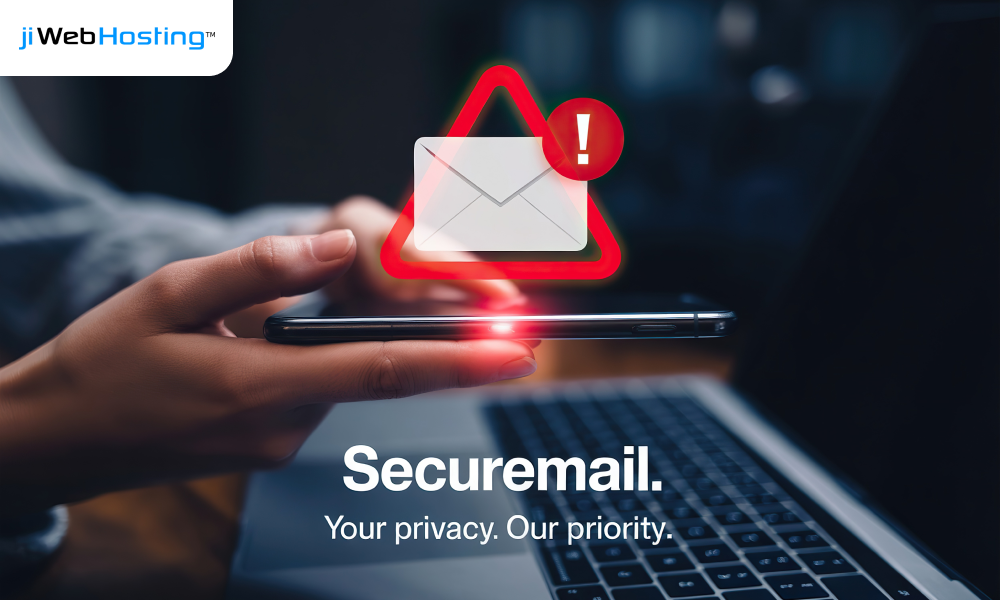
Email remains one of the most important communication tools for modern organizations. From client conversations and invoices to internal approvals and legal documents, businesses rely on email every day. However, with increasing cyber threats, phishing attacks, ransomware, and data privacy regulations, choosing the right secure email service has become essential for long-term growth and protection.
Businesses today cannot rely on basic email systems that only send and receive messages. They need secure business email hosting that offers advanced encryption, spam filtering, malware protection, compliance controls, and dependable uptime. Whether you run a startup, SME, healthcare organization, legal firm, or enterprise company, investing in the right secure email provider helps protect confidential information and maintain customer trust.
In this guide, we will explain how to choose secure email services for business security and compliance, what features to prioritize, and how the right provider can improve communication, privacy, and operational efficiency.
Key Takeaways
- Secure email services protect businesses from phishing, malware, spam, and unauthorized access.
- Email encryption is essential for protecting confidential business communication.
- Compliance tools help businesses meet legal and regulatory requirements.
- Reliable uptime, backups, and disaster recovery ensure business continuity.
- Choosing a trusted provider like jiWebHosting improves security, performance, and support.
Why Secure Email Services Matter for Businesses
Cybercriminals frequently target business email accounts because they contain valuable data. A compromised mailbox can expose customer information, financial transactions, contracts, passwords, and internal discussions.
1. Protection Against Cyber Threats
Secure email services help businesses defend against phishing attacks, malware, ransomware, and spam emails. These threats often target employees through fake links or attachments, and strong security filters help block them before they cause damage.
2. Safeguarding Sensitive Business Data
Emails often contain confidential information such as financial records, client details, contracts, and internal discussions. Secure email services use encryption and access controls to ensure that only authorized users can view this information.
3. Ensuring Business Continuity and Reliability
Reliable email hosting ensures that communication remains uninterrupted even during technical failures or cyber incidents. Features like backups and high uptime guarantees help businesses stay connected at all times.
4. Supporting Legal and Industry Compliance
Many industries must follow strict data protection laws. Secure email services help businesses meet compliance requirements through features like data retention, audit logs, encryption standards, and secure storage.
5. Enhancing Professional Image and Trust
Using secure email with a custom domain improves brand credibility. Clients and partners trust businesses more when communication is secure, consistent, and professionally managed.
How to Choose the Best Secure Email Services for Different Businesses
Choosing the best secure email service is one of the most important decisions for any business. Email remains the backbone of communication for client conversations, internal coordination, invoices, contracts, and sensitive data exchange. As cyber threats continue to rise, businesses need more than a basic inbox. They need a professional email solution that combines strong security, smooth performance, compliance support, and reliable uptime.
The right secure email service depends on your company size, budget, workflow, and industry requirements. A startup may need affordable hosting with simple management, while an enterprise may need advanced administration tools and compliance controls. Understanding your priorities helps you make the right investment.
1. Understand Your Business Requirements
Before choosing a secure email provider, start by identifying how your business uses email. Consider the number of users, storage requirements, communication volume, and whether your employees work remotely or from multiple locations.
Small businesses often need affordable plans with custom domain emails and easy setup. Medium-sized companies usually require collaboration tools, shared calendars, and higher storage limits. Large enterprises often need centralized management, advanced permissions, and stronger security frameworks.
2. Check Security Features Carefully
Security should be the top priority when comparing email providers. Since email accounts are common targets for hackers, phishing attacks, and malware, your provider should offer multiple layers of protection.
Look for encryption that protects messages during sending and storage. Multi-factor authentication adds extra login security. Anti-spam filters help reduce junk mail and phishing attempts.
3. Look for Business Compliance Support
Many industries must follow legal and regulatory standards for handling sensitive data. Businesses in healthcare, finance, legal services, and ecommerce should verify that the provider supports compliance requirements. Secure email services with archiving, retention policies, access logs, and data privacy controls help organizations stay compliant. This reduces risks of fines, lawsuits, and data breaches.
4. Evaluate Reliability and Uptime
A secure email service should also be dependable. If your email system goes offline, communication delays can impact sales, customer service, and internal productivity. Choose a provider that offers high uptime guarantees, stable infrastructure, and regular backups. Reliable systems help your team stay connected without interruptions. Backup and recovery tools are equally important because they protect business data from accidental deletion, server issues, or cyberattacks.
5. Review Ease of Use and Management
Even the most secure email platform should be easy to use. Employees need a simple interface for sending messages, organizing folders, and accessing email on desktop or mobile devices. Administrators should be able to create accounts, reset passwords, manage permissions, and monitor security settings without complexity. A user-friendly platform reduces training time and helps teams adopt the service faster.
6. Consider Scalability for Future Growth
Your business may grow in the coming months or years, so your email provider should grow with you. A scalable service allows you to add users, expand storage, and unlock advanced features whenever needed. Changing providers later can be time-consuming and costly. Choosing a scalable secure email solution from the beginning saves time and prevents disruption.
7. Compare Support and Customer Service
Technical issues can happen at any time. Strong customer support becomes essential when email access is interrupted or security incidents occur.
Look for providers offering fast response times, live chat, phone support, or ticket systems. Migration assistance is also valuable if you are moving from another provider.
Reliable support helps businesses solve problems quickly and maintain smooth communication.
8. Analyze Pricing and Value
Price is always an important factor, but the cheapest service is not always the best. Some low-cost providers may lack security tools, backups, or responsive support.
Compare plans based on storage, included features, admin tools, compliance support, and customer service. A slightly higher monthly cost can provide much stronger value and protection.
9. Check Custom Domain and Branding Options
Professional businesses should use branded email addresses with their own domain name. This creates a more trustworthy and credible image compared to free public email accounts.
A secure email service should make it easy to set up domain-based addresses for individuals, departments, and teams. Branded email improves client confidence and supports business identity.
10. Test Before Making a Final Decision
Many secure email providers offer free trials or demo accounts. Testing the platform allows you to evaluate speed, interface, mobile access, and management tools before committing. During the trial, assess how well the system meets your business workflow and whether support responds efficiently.
Important Features to Compare Before Buying
When choosing secure business email hosting, compare these essential features:
Feature | Why It Matters |
|---|---|
Encryption | Protects private communication |
Spam Protection | Reduces threats and junk mail |
MFA | Prevents unauthorized logins |
Compliance Tools | Helps meet regulations |
Backups | Prevents data loss |
Uptime | Ensures email availability |
Support | Fast issue resolution |
Scalability | Supports business growth |
Conclusion
Choosing the best secure email service is an important step toward protecting your business communication, customer data, and daily operations. With rising cyber threats and increasing compliance requirements, businesses need an email solution that offers strong security, reliable performance, easy management, and room for future growth. The right provider not only safeguards sensitive information but also improves productivity and builds trust with clients.
At jiWebHosting, we understand the importance of secure and professional business communication. Our email hosting solutions are designed to deliver advanced protection, dependable uptime, custom domain email addresses, and expert support tailored to your business needs. Whether you are a startup, small business, or growing enterprise, jiWebHosting is committed to helping you choose secure email services that keep your business connected, protected, and ready for success. Contact us for more information.
Frequently Asked Questions
1. Why do businesses need secure email services?
Secure email services help protect business communication from cyber threats such as phishing, spam, malware, and unauthorized access. They also improve professionalism with custom domain email addresses and reliable performance.
2. What features should I look for in a secure email service?
You should look for email encryption, spam filtering, malware protection, multi-factor authentication, backups, uptime guarantees, and easy account management. These features help keep business communication safe and efficient.
3. Are secure email services suitable for small businesses?
Yes, secure email services are ideal for small businesses because they offer professional branding, better security, and scalable plans that can grow with the company over time.
4. How do secure email services support compliance?
Many secure email providers offer tools such as email archiving, access logs, data retention policies, and privacy controls that help businesses meet industry regulations and legal requirements.
5. How do I choose the best secure email service for my business?
Choose a provider based on your business size, budget, security needs, storage requirements, support quality, and future growth plans. Comparing features and testing trial versions can help you make the right decision.