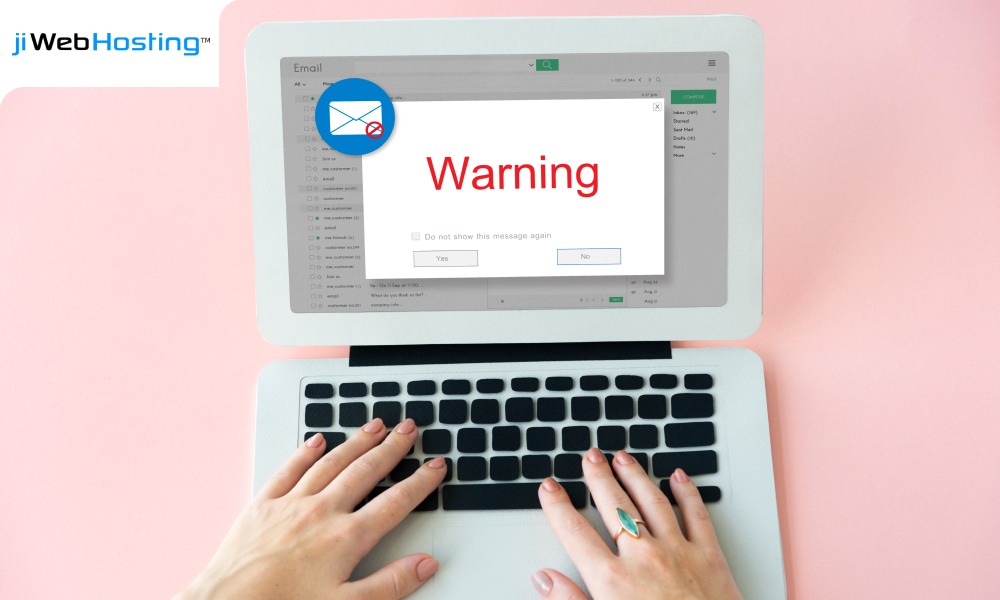
In today’s hyper-connected digital world, email remains the primary mode of communication for businesses and individuals alike. While convenient, email also serves as a prime target for cybercriminals seeking to exploit vulnerabilities. According to a report by Verizon, over 90% of cyberattacks begin with a phishing email, and data breaches caused by insecure email practices continue to rise each year. This makes the implementation of secure email services not just a recommendation but a critical necessity for businesses of all sizes.
Key Takeaways:
Secure email services are a critical defense against cyber threats, data breaches, and phishing attacks.
End-to-end encryption ensures that messages, attachments, and metadata remain private, even if intercepted during transmission.
Advanced threat detection, powered by AI and machine learning, identifies phishing attempts, malware, and zero-day threats before they reach the inbox.
Multi-factor authentication and strict access controls prevent unauthorized account access, while behavioral monitoring and audit logs help detect suspicious activity early.
By blocking phishing emails, suspicious attachments, and malicious links, secure email services prevent attackers from gaining a foothold that could lead to a larger breach.
How Secure Email Services Prevent Data Breaches
Data breaches are among the most costly and damaging consequences of weak email security. Cybercriminals target email accounts to gain access to sensitive business information, personal data, and proprietary systems. Secure email services play a critical role in preventing these breaches by implementing multiple layers of protection that safeguard communication channels and sensitive content.
Blocking Unauthorized Access
One of the first lines of defense in preventing data breaches is controlling access to email accounts. Secure email services enforce strong authentication measures to ensure only authorized users can access their accounts. Multi-factor authentication (MFA) is a common method, requiring users to provide additional verification such as a one-time code, biometrics, or a hardware key. Even if a password is compromised, MFA prevents unauthorized individuals from logging in.
Encrypting Sensitive Communications
Secure email services rely heavily on encryption to protect the confidentiality and integrity of messages. End-to-end encryption ensures that emails and attachments are scrambled during transmission, making them unreadable to anyone intercepting them. This is especially important when transmitting sensitive financial information, legal documents, or personal data. Without encryption, intercepted messages could easily be exploited in identity theft, fraud, or corporate espionage.
Preventing Lateral Movement
A single compromised email account can give attackers a foothold within an organization, enabling them to move laterally and access other systems or accounts. Secure email services prevent this by continuously monitoring for abnormal behavior within accounts and the email network. Suspicious activities, such as unusual mass emailing, abnormal attachment usage, or access from foreign IP addresses, are immediately flagged. Some systems also implement internal communication restrictions, limiting the ability of a compromised account to interact with sensitive internal contacts or files.
Audit Logs and Monitoring
Another critical feature of secure email services in preventing data breaches is detailed audit logging and monitoring. These systems keep comprehensive records of all email-related activities, including login attempts, sent and received messages, and changes to account settings. By maintaining these records, organizations can quickly identify suspicious activity and investigate potential threats before they escalate. Continuous monitoring also provides real-time alerts, allowing IT teams to respond swiftly to potential breaches.
Protection Against Insider Threats
Data breaches are not always caused by external actors; insider threats, whether intentional or accidental, pose a significant risk. Secure email services implement policies and technologies that minimize this risk. For instance, Data Loss Prevention (DLP) tools monitor outgoing emails for sensitive information and prevent unauthorized disclosure.
Key Features of Effective Email Security Solutions
With cybercriminals constantly evolving their tactics, organizations cannot rely on a single layer of protection. The most effective email security systems are multi-layered, proactive, and intelligent, designed to safeguard sensitive information, prevent unauthorized access, and ensure compliance with regulatory standards. Understanding the key features of robust email security helps businesses choose the right solution and stay ahead of potential threats.
End-to-End Encryption
Encryption forms the backbone of modern email security. End-to-end encryption (E2EE) ensures that email content is transformed into unreadable code during transmission. Only the intended recipient, who has the correct decryption key, can access the original content.
The importance of encryption cannot be overstated. Without it, emails traveling across networks remain vulnerable to interception, man-in-the-middle attacks, or unauthorized access by malicious actors. Services like ProtonMail and Tutanota take this a step further by implementing zero-access encryption, meaning that even the service provider cannot read your emails.
Advanced Threat Detection
The cyber threat landscape is becoming increasingly sophisticated. Attackers use advanced phishing techniques, polymorphic malware, and targeted social engineering attacks to bypass traditional security filters. Advanced threat detection is therefore a critical feature of modern email security systems.
These solutions leverage artificial intelligence (AI) and machine learning (ML) to analyze patterns in email content, sender behavior, and user interactions. By recognizing anomalies—such as unusual attachment types, suspicious links, or deviations in writing style—these systems can detect zero-day threats, ransomware campaigns, and spear-phishing attempts before they reach the inbox.
Spam and Phishing Filters
A cornerstone of email security is the ability to filter out spam and phishing emails before they reach users. Modern email security solutions employ multi-layered filtering techniques, including:
Blacklists and whitelists: Blocking known malicious domains while allowing trusted sources.
Heuristic analysis: Evaluating email characteristics like language, formatting, and attachment type to identify suspicious behavior.
Real-time threat intelligence: Leveraging global threat databases to identify and block emails linked to active attacks or compromised domains.
Multi-Factor Authentication (MFA):
Passwords alone are no longer enough to secure email accounts. Multi-factor authentication adds an extra layer of protection by requiring users to provide a second form of verification when logging in. This could be:
A one-time code sent to a mobile device
A fingerprint or facial recognition scan
A hardware security key
Data Loss Prevention (DLP)
Data Loss Prevention tools are designed to prevent sensitive information from leaving the organization, either accidentally or maliciously. DLP systems scan outbound emails for critical information such as:
Personally identifiable information (PII)
Financial records
Intellectual property
Proprietary business data
If a message violates established policies, the system can block it, encrypt it automatically, or notify administrators for review.
Email Archiving and Monitoring
Email archiving is the practice of securely storing all email communications for long-term access, compliance, and auditing. Archiving provides several benefits:
Enables organizations to retrieve past communications for legal or regulatory purposes
Protects against accidental deletion or data corruption
Supports forensic analysis in the event of a security incident
User Awareness and Reporting Tools
Even the most advanced email security system cannot fully protect users if they are unaware of the risks. Modern solutions often include user awareness modules and reporting tools, allowing employees to:
Identify and flag suspicious emails
Access security tips and training materials
Report potential phishing attempts directly to IT or security teams
Common Business Email Security Threats
Understanding the types of threats that target email systems is essential for developing an effective security strategy. Here are the most common challenges businesses face:
Phishing Attacks: Phishing emails impersonate legitimate entities to trick recipients into revealing sensitive information or clicking on malicious links. Examples include fake invoices, account verification requests, or fake alerts from banks. These attacks exploit human psychology rather than technological vulnerabilities.
Business Email Compromise (BEC): In BEC attacks, cybercriminals spoof a company executive’s email address to instruct employees to transfer funds or disclose confidential information. These attacks are highly targeted and can result in significant financial losses.
Ransomware: Ransomware often spreads through email attachments or malicious links. Once executed, it encrypts critical files, rendering them inaccessible until a ransom is paid. Email security solutions help prevent ransomware infections by scanning attachments and links for malware.
Spam and Malicious Attachments: Even seemingly harmless spam can contain malware or phishing links. These messages can overload email systems, reduce productivity, and serve as gateways for more dangerous attacks.
Insider Threats: Not all email threats originate externally. Employees with malicious intent or those who make accidental errors can compromise sensitive data. DLP tools and monitoring help detect and prevent such incidents.
Credential Theft: Weak passwords and lack of multi-factor authentication make it easy for cybercriminals to steal login credentials. Once inside an email system, attackers can access sensitive information, send fraudulent emails, and escalate attacks within the organization.
Conclusion
Email is the lifeblood of modern business communication, but it is also a prime target for cybercriminals. Data breaches, phishing attacks, ransomware, and other email-related threats can lead to financial losses, reputational damage, and regulatory penalties. Implementing secure email services is no longer optional - it is essential for protecting sensitive data and maintaining business continuity.
By leveraging features like end-to-end encryption, advanced threat detection, multi-factor authentication, and data loss prevention, organizations can significantly reduce the risk of email-related threats. When combined with employee training, monitoring, and best practices, these solutions create a robust defense against cyberattacks.
At jiWebHosting, we understand that secure communication is the foundation of a successful business. Our email hosting solutions are designed with advanced security features to help businesses prevent data breaches and phishing attacks, ensuring your communications remain private, protected, and reliable. Investing in secure email services is not just a technological decision - it’s a commitment to your business’s integrity, reputation, and future. Contact us for more information.
Frequently Asked Questions
1. What is a secure email service, and how does it protect my business?
A secure email service encrypts email content and attachments, ensuring that only the intended recipient can read them. It also includes features like phishing detection, spam filtering, multi-factor authentication, and monitoring tools. Together, these protections prevent unauthorized access, data leaks, and cyberattacks on your business communications.
2. How can secure email services prevent phishing attacks?
Secure email services use advanced threat detection, AI-driven analysis, and spam filters to identify suspicious emails before they reach your inbox. They flag or block messages containing malicious links, impersonation attempts, or harmful attachments, reducing the risk of employees falling victim to phishing scams.
3. What are the most common email security threats businesses face?
Businesses are most commonly targeted by:
Phishing emails that trick users into sharing sensitive data
Business Email Compromise (BEC), where attackers impersonate executives
Ransomware delivered via malicious attachments or links
Spam and malware that clog systems or infect devices
Insider threats from employees or contractors
Credential theft from weak passwords or compromised accounts
4. What features should I look for in an effective email security solution?
Key features include:
End-to-end encryption for email and attachments
Spam and phishing filters
Multi-factor authentication (MFA)
Data Loss Prevention (DLP) tools
Threat monitoring and analytics
Secure email archiving for compliance and auditing
5. How can my business improve email security beyond technology?
Technology alone isn’t enough. To enhance email security:
Conduct regular employee training on phishing and safe email practices
Use strong, unique passwords and password managers
Implement MFA for all accounts
Monitor email activity for unusual patterns
Keep software and systems up-to-date with security patches
Backup emails regularly to ensure business continuity